
Most Western seasoning guides insist on oven-baking with expensive flaxseed oil, but building a durable non-stick patina on an Indian cast iron tawa requires stovetop polymerization using high-smoke-point oils already in your kitchen. Success depends on matching the oil’s smoke point to your stovetop heat and managing ambient humidity during curing.
According to [oil polymerization](https://cen.acs.org/food/food-science/Periodic-Graphics-chemistry-cast-iron/102/i9) principles, carbonization requires reaching exact smoke points to form durable matrices. Even perfect application fails if factory coatings remain or monsoon storage promotes rust. This protocol covers stovetop methods, regional Indian oils, and maintenance habits needed to keep dosa tawas flawlessly non-stick year-round through chemical understanding rather than trial-and-error.
The chemistry of polymerization and why smoke point matters
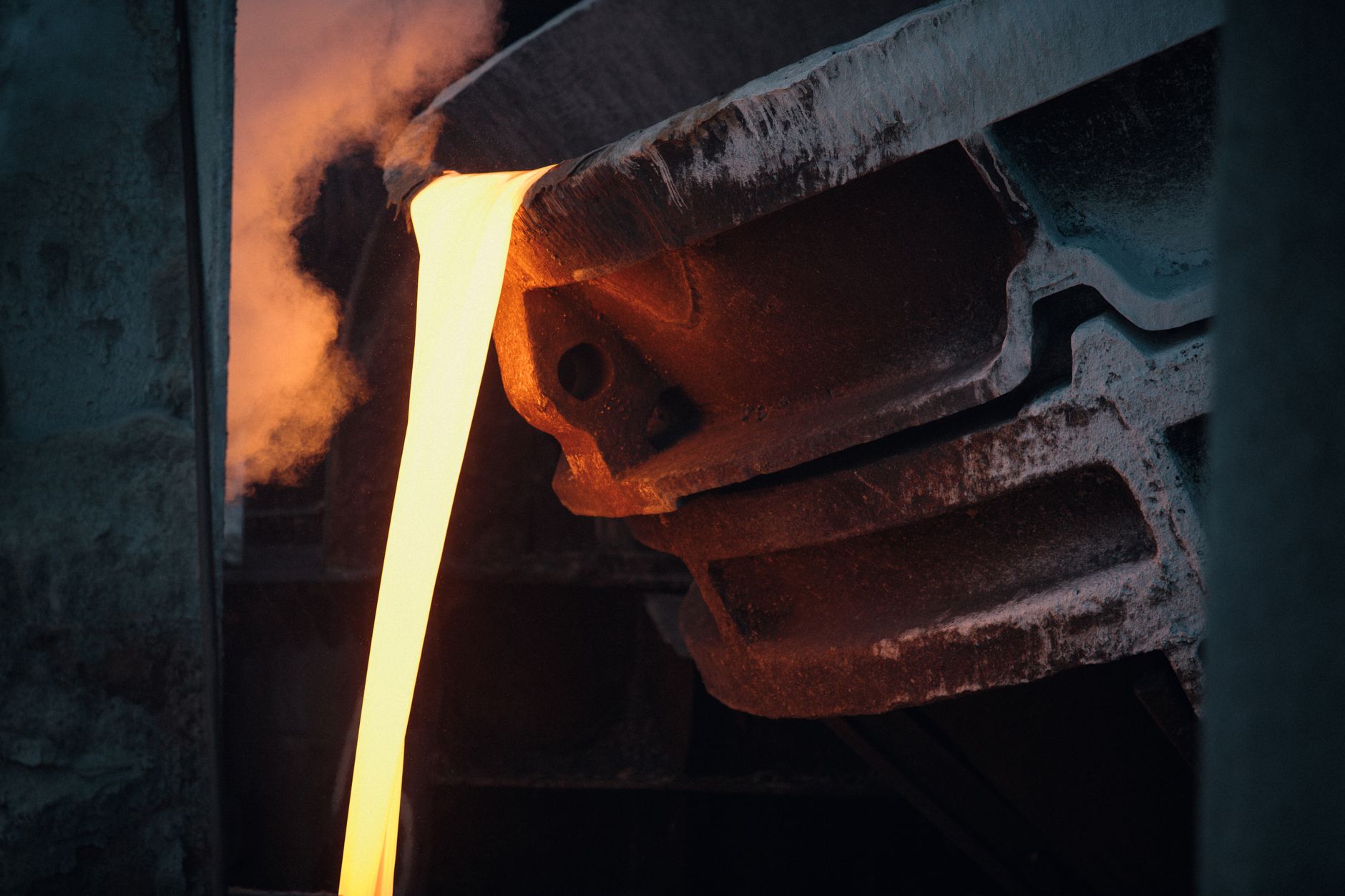
Fat polymerization occurs when unsaturated fats are heated to or past their smoke point, causing molecules to break apart, oxidize, and link into long chains forming a hard, plastic-like layer. Reaching this thermal threshold is mandatory for carbonization; heating below the smoke point produces only a sticky, incomplete polymer that attracts food and degrades quickly.
Progression diagram showing how oil molecules transform from liquid to hard polymer matrix when heated past their smoke point on cast iron surfaces.
This chemical reaction is identical whether using Western flaxseed oil or Indian groundnut oil, provided the smoke point threshold is met. Buyers who attempt seasoning at low temperatures consistently notice gummy residues that wash off easily, because insufficient thermal energy prevents the molecular cross-linking required for permanent adhesion. The visible smoke is not a warning sign but the necessary indicator that polymerization has begun.
Stripping the factory shipping wax before your first cook
New “pre-seasoned” or bare Indian cast iron cookware arrives coated with protective industrial wax or thick mineral oil designed for shipping and storage, not cooking. This barrier must be physically stripped by scrubbing with hot water, mild dish soap, and a non-abrasive scouring pad to expose the bare, porous iron beneath. Skipping this step traps [shipping wax](https://cen.acs.org/food/food-science/Periodic-Graphics-chemistry-cast-iron/102/i9) under edible seasoning layers, preventing proper bonding and causing immediate food release failures.
In the [Indian Cast Iron Cooking Group on Facebook](https://www.facebook.com/groups/257883575269822/posts/1049149469973601/), users report that new tawas often have invisible industrial coatings causing the first few dosas to stick stubbornly despite heavy oiling. As one poster put it, the “dosa still wouldn’t release” even after multiple seasoning attempts. The mechanism is simple: industrial wax fills the iron’s microscopic pores, blocking edible oil from penetrating and polymerizing directly onto the metal surface where permanent bonds form.
Choosing the right regional oil for Indian cookware
Common Indian kitchen oils perform as well as or better than imported flaxseed oil for seasoning when their smoke points and fat compositions are understood. Refined groundnut oil typically reaches 450°F, mustard oil around 480°F, and coconut oil approximately 350–400°F depending on refinement level. Highly unsaturated “drying oils” polymerize fastest due to abundant double bonds available for cross-linking, but [high smoke-point oils](https://theflattopking.com/best-oil-for-seasoning-cast-iron/) like refined groundnut offer superior practical performance on Indian stovetops where maintaining precise low temperatures is difficult.
Buyers who switch from expensive imported oils to refined groundnut consistently achieve equally durable patinas, because the critical factor is reaching the oil’s specific smoke point rather than its fatty acid profile alone. Mustard oil’s higher smoke point makes it forgiving for aggressive stovetop heating, though its strong initial odor dissipates after polymerization. Coconut oil’s lower threshold demands careful heat management but works adequately for tawas where extreme searing temperatures aren’t required.
The myth that premium oils are necessary ignores the chemistry: any oil heated past its smoke point will carbonize and bond to iron.
The stovetop seasoning protocol for kadhais and tawas
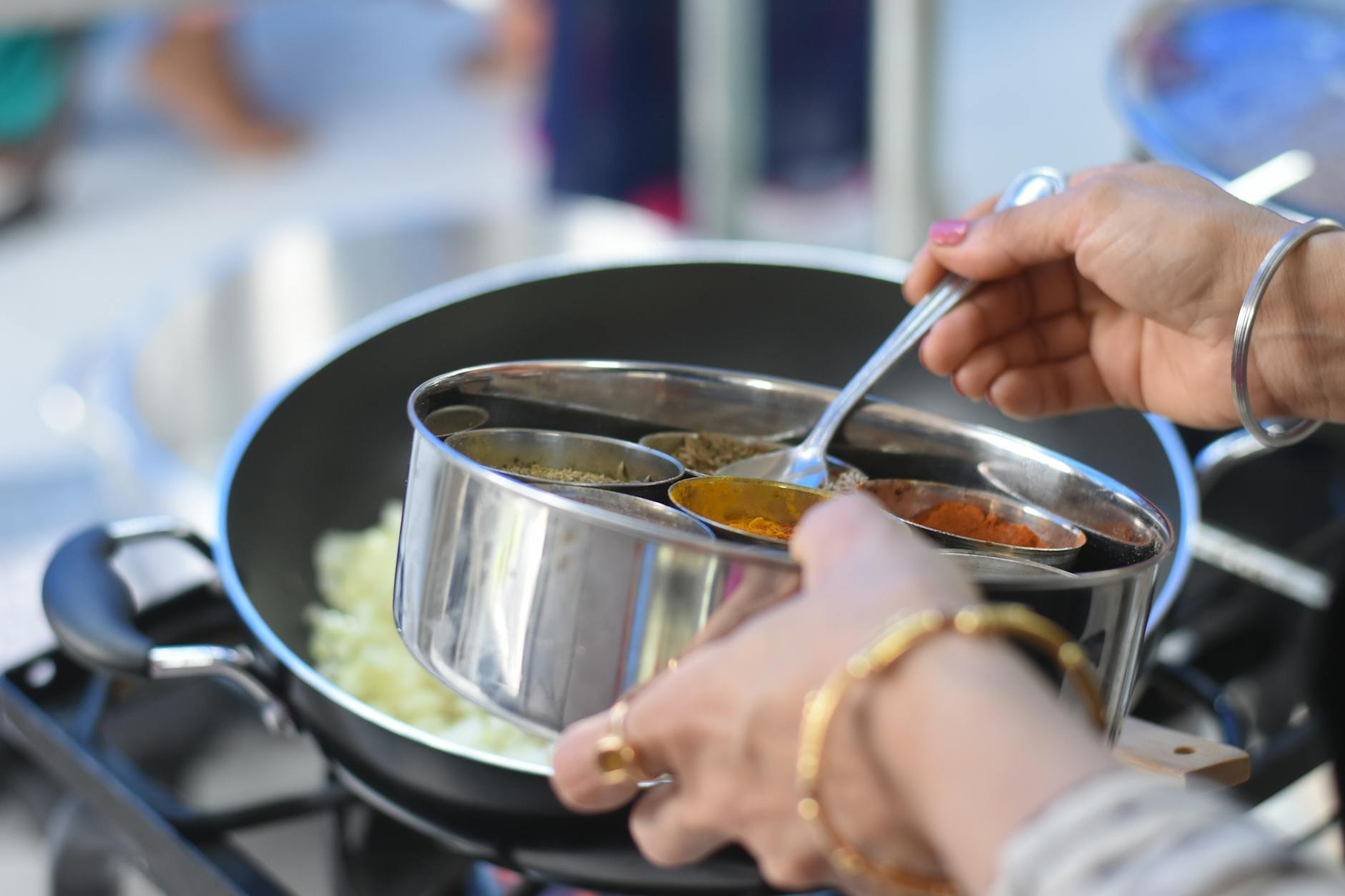
Stovetop seasoning bypasses oven limitations for large Indian kadhais while providing direct visual feedback during polymerization. Heat the stripped, completely dry cookware on a medium gas flame until all moisture evaporates and the surface feels warm throughout. Apply a microscopically thin layer of chosen high-smoke-point oil using a lint-free cloth, then increase heat until visible smoke appears.

Maintain the smoking temperature for 10–15 minutes to trigger complete polymerization, as reaching the [smoke point threshold](https://sherylcanter.com/wordpress/2010/01/a-science-based-technique-for-seasoning-cast-iron/) initiates free radical cross-linking throughout the oil layer. Cool slightly and repeat three to four times for a robust base coat. Applying too much oil results in sticky, uneven surfaces rather than hard seasoning, because thick pools cannot fully carbonize before the exterior seals off oxygen to the interior.
Check the oil layer thickness by swiping a clean finger across the oiled surface before heating. A properly applied layer should leave almost no visible residue on your skin; any noticeable grease indicates excess oil that will turn gummy rather than hard during heating.
Why your first few dosas stick (troubleshooting the cure)
Expecting immediate non-stick performance after one seasoning cycle misunderstands polymer maturation timelines. Initial layers are fragile and require cooking high-fat, low-acid foods like deep-frying pooris or making tadka to build a robust carbon matrix over two to three weeks of regular use. Acidic ingredients in tomato-based curries or sambar chemically dissolve nascent polymer bonds, stripping the seasoning back to bare iron and resetting progress.
Wear patterns on newly seasoned kadhais typically show patchy dull spots where acidic gravies were introduced too early, because hydrogen ions in low-pH foods break ester linkages in the polymer network before it achieves sufficient cross-link density. Buyers who wait two weeks before introducing acidic dishes consistently report smoother transitions to full non-stick performance, as the additional thermal cycles create redundant bonding that resists chemical attack. Patience during this curing phase determines whether the pan becomes a lifelong tool or a frustrating failure.
Daily maintenance and monsoon storage
Post-cooking care preserves the polymer layer through gentle cleaning and thorough drying. Wipe out food debris with a soft sponge, avoiding harsh soaps that can degrade immature seasoning, then heat-dry the cookware on the stove to evaporate all moisture from the iron’s pores. High ambient humidity during Indian monsoons causes flash-rusting on bare iron within hours if left air-dried, as water molecules penetrate microscopic imperfections in the polymer layer and initiate oxidation.

Apply a micro-thin maintenance coat of oil before storing in a ventilated area, never stacking damp lids directly on the kadai where trapped moisture accelerates corrosion. Flash rust formation from air-drying in high humidity is irreversible without stripping and re-seasoning, making preventive heat-drying non-negotiable during wet seasons. For cookware that has already succumbed to monsoon damage, the guide on [rust prevention for cast iron cookware in humid Indian weather](https://kitchengeek.in/rust-prevention-for-cast-iron-cookware-in-humid-indian-weather/) provides restoration protocols tailored to tropical conditions.
Buyers who adopt heat-drying routines consistently avoid seasonal rust problems, because thermal evaporation removes water from pore structures faster than atmospheric oxygen can react with exposed iron. This single habit separates owners who maintain decades-old kadhais from those replacing rusted pans annually.
Cast iron seasoning oil matrix and maintenance schedule
Use this matrix to select appropriate oils based on your cooking style and equipment. Smoke points and polymerization speeds are estimated and vary by brand and refinement level.
| Oil type | Approximate smoke point | Polymerization speed | Best use case |
|---|---|---|---|
| Refined groundnut | 450°F | Moderate-fast | All-purpose kadai and tawa seasoning |
| Mustard | 480°F | Fast | High-heat tadka kadhais; strong initial odor |
| Coconut (refined) | 400°F | Moderate | Tawas and low-heat applications |
| Sesame (gingelly) | 410°F | Moderate-slow | Traditional flavor; slower buildup |
The table reveals that no single oil dominates every application; groundnut offers the best balance of accessibility and performance for most Indian kitchens, while mustard excels for dedicated high-heat vessels despite its pungency.
30-day maintenance schedule:
- Days 1–3: Complete initial stovetop seasoning cycles (3–4 rounds).
- Days 4–10: Cook only high-fat, non-acidic foods (pooris, parathas, tadka).
- Days 11–20: Gradually introduce moderate-acid dishes; monitor for sticking.
- Days 21–30: Full integration including acidic curries; apply maintenance oil after each wash.
This progression allows the polymer matrix to achieve sufficient cross-link density before facing chemical stress from acidic ingredients. Rushing this timeline is the most common cause of premature seasoning failure in new cast iron.
Closing thoughts
Durable cast iron seasoning requires matching oil smoke points to stovetop heat and respecting the curing timeline before introducing acidic foods. Always heat-dry after washing and apply maintenance oil before storage, especially during monsoon months. Ignoring these fundamentals guarantees either sticky, gummy surfaces or rust damage that forces complete re-seasoning cycles.
Frequently Asked Questions
Can I use refined sunflower oil for seasoning my cast iron kadai?
Refined sunflower oil is acceptable due to its approximately 450°F smoke point but lacks rapid polymerization efficiency compared to groundnut or mustard oil. Expect slightly longer heating cycles to achieve equivalent hardness, as its fatty acid composition contains fewer reactive double bonds for cross-linking.
Why does my seasoned tawa turn sticky after storing it in the kitchen cabinet?
Stickiness occurs when the final seasoning layer was applied too thickly and failed to fully carbonize, leaving uncured oil that oxidizes rather than hardens. Humid, unventilated cabinets accelerate this rancidity by trapping moisture against incompletely polymerized surfaces, preventing the dry cure necessary for hardness.
Do I need to re-season my cast iron cookware every time I wash it with soap?
Modern mild dish soaps will not strip fully polymerized, carbonized seasoning layers that have achieved proper cross-link density. Re-seasoning is only required after abrasive steel wool scrubbing or prolonged cooking with highly acidic ingredients that chemically dissolve the patina through hydrolysis reactions.
